What Are Woodworking Plans and Why Do You Need Them?

Professional woodworking plans provide detailed blueprints for every project
Woodworking project plans are detailed blueprints that guide you through the entire process of creating wooden furniture, decorations, or functional items. These plans are the foundation of any successful woodworking endeavor, providing clarity and direction from start to finish.
A comprehensive woodworking plan typically includes:
- Detailed measurements and dimensions - Precise specifications for every cut and component
- Step-by-step instructions - Clear guidance through each phase of construction
- Material lists and cutting diagrams - Exact quantities and cutting sequences to minimize waste
- Assembly guidelines - Illustrated instructions showing how pieces fit together
- Finishing techniques - Professional tips for staining, sealing, and protecting your work
- Safety recommendations - Important precautions for safe workshop practices
Having proper plans eliminates guesswork, reduces material waste, and ensures your project turns out exactly as envisioned. Whether you're building a simple bookshelf or an intricate dining table, comprehensive woodworking project plans are your roadmap to success.
🎯 Ready to Start Building?
Get instant access to 16,000+ professional woodworking plans with detailed instructions, material lists, and video tutorials.
Get Instant Access →The Benefits of Using Free Woodworking Plans
1. Cost-Effective Learning and Development
Free woodworking plans allow beginners to explore the craft without significant financial investment. You can test different project types, learn various techniques, and develop your skills before committing to expensive premium plans or materials. This approach lets you discover your strengths and preferences in woodworking without the pressure of having spent money on plans that might not suit your style.
2. Unlimited Variety and Options
The internet offers thousands of free woodworking plans covering every skill level and project type. From simple birdhouses to elaborate bed frames, you'll find endless inspiration and options to match your interests and abilities. This variety ensures you'll never run out of new challenges and opportunities to expand your woodworking repertoire.

From furniture to decorative pieces - endless possibilities with the right plans
3. Community Support and Collaboration
Many free plans come with active communities where woodworkers share tips, modifications, and troubleshooting advice. This collaborative environment accelerates your learning curve and provides valuable support when you encounter challenges. Fellow woodworkers often share their own experiences with specific plans, warning you about potential pitfalls and suggesting improvements.
4. Flexibility and Customization
Free plans often allow modifications and customizations, letting you adapt designs to your specific needs, space constraints, or available materials. This flexibility is particularly valuable as you develop your own style and preferences in woodworking.
Save Money
Learn without expensive plan purchases
Learn Faster
Try multiple projects and techniques
Community
Connect with fellow woodworkers
Customize
Adapt plans to your needs
Essential Woodworking Tools Every Craftsman Needs
Building any woodworking project requires the right woodworking tools. The quality and appropriateness of your tools can make the difference between a frustrating experience and an enjoyable, successful project. Here's a comprehensive breakdown of essential tools for different skill levels:
Basic Woodworking Tools for Beginners
Measuring and Marking Tools
- Tape measure - A 25-foot minimum length provides versatility for both small and large projects
- Combination square - Essential for checking right angles and measuring depths
- Pencils and marking knife - For accurate layout and cut lines
- Level - Ensures your projects are properly aligned and square
Hand Tools
Saws, chisels, planes, and hand drills form the foundation of traditional woodworking.
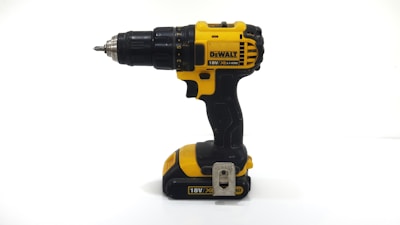
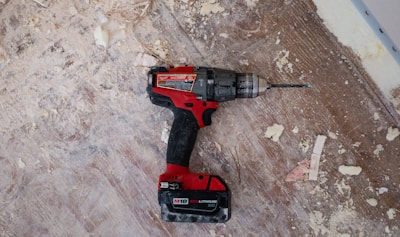
Power Tools
Electric drills, circular saws, and sanders speed up your workflow significantly.

Advanced Equipment
Table saws, routers, and specialty tools for professional-quality results.
Cutting Tools
- Handsaw or circular saw - For straight cuts in dimensional lumber
- Miter saw - Perfect for angled cuts in trim and molding
- Jigsaw - Ideal for curved cuts and intricate patterns
- Utility knife - For precise trimming and scoring
Shaping and Smoothing Tools
- Random orbital sander - Provides smooth finishes without swirl marks
- Sandpaper - Various grits from 80 to 220 for different finishing stages
- Block plane - For fine-tuning edges and removing small amounts of material
- Chisels - A set of 4-6 chisels in various widths for detailed work
Fastening and Assembly Tools
- Hammer - Both claw and mallet styles are useful
- Cordless drill/driver - Essential for drilling holes and driving screws
- Screwdriver set - Multiple sizes and types for various applications
- Clamps - Various sizes and styles for holding work while glue dries
💡 Pro Tip: Investing in Woodworking Tools
When starting out, focus on quality over quantity. It's better to have a few reliable, well-maintained tools than a workshop full of low-quality equipment. Buy the best tools you can afford for the tasks you'll perform most frequently. Hand tools, particularly measuring tools and saws, are worth the investment in premium brands that will last a lifetime with proper care.
Intermediate Woodworking Tools
As you advance in your woodworking journey and tackle more complex woodworking project plans, consider adding these tools to your arsenal:
- Table saw - The heart of most workshops, providing precision cuts and versatility
- Router - For edge work, joinery, and decorative profiles
- Biscuit joiner - Creates strong, hidden joints for panel glue-ups
- Pocket hole jig - Quick and strong joints for cabinet and furniture construction
- Brad nailer - Speeds up assembly and trim installation
Advanced Woodworking Equipment
Professional woodworkers and serious hobbyists often invest in:
- Planer - For surface preparation and thickness control
- Jointer - Creates perfectly straight edges for glue-ups
- Band saw - For resawing lumber and cutting curves
- Dust collection system - Essential for health and workshop cleanliness
- Mortising machine - Specialized tool for traditional joinery
🛠️ Get the Complete Tools Guide
Access detailed guides on every woodworking tool, including usage tips, maintenance schedules, and buying recommendations for your skill level.
Download Tool Guides →Understanding Wood Magazine Plans and Resources

Wood magazines provide professional plans, techniques, and inspiration
Wood magazine has been a trusted resource for woodworkers since 1984, establishing itself as one of the premier woodworking magazines in the industry. Wood magazine plans offer several distinct advantages that set them apart from free online resources:
Professional Quality Design and Testing
Each plan published in wood magazine is thoroughly tested in their professional workshop to ensure accuracy and feasibility. This rigorous testing process means you can trust that:
- All measurements are accurate and verified
- Assembly sequences work as described
- Material lists are complete and correct
- Joinery methods are appropriate for the project
- The final piece will be sturdy and functional
The detailed instructions in wood magazine plans include:
- Full-size patterns - No scaling or calculations needed
- Exploded view diagrams - Clear visualization of how components fit together
- Material lists with exact quantities - Eliminate guesswork when buying lumber
- Finishing recommendations - Professional tips for beautiful final results
- Expert tips and techniques - Learn professional shortcuts and methods
Skill Level Indicators and Project Organization
Quality woodworking magazines clearly mark plans for different skill levels, helping you choose appropriate projects:
Beginner Projects
- Simple cuts and basic assembly
- Common tools and materials
- Straightforward joinery
- Quick completion times
Intermediate Projects
- Moderate techniques required
- Multiple components
- Precision joinery methods
- Weekend project timelines
Advanced Projects
- Complex joinery and assembly
- Intricate details and precision
- Specialized tools needed
- Multi-week timelines
Expert Level
- Heirloom-quality pieces
- Advanced techniques
- Custom fitting required
- Long-term projects
Digital and Print Options for Modern Woodworkers
Modern woodworking magazines provide both traditional print editions and digital downloads, offering flexibility for today's craftsmen. Digital access allows you to:
- View plans on tablets or smartphones right in your workshop
- Zoom in on detailed diagrams for better clarity
- Search archives for specific techniques or projects
- Save favorite plans in organized digital folders
- Print only the pages you need for a particular project
Beyond Plans: Educational Content in Woodworking Magazines
Woodworking magazines offer much more than just project plans. They provide comprehensive educational content including:
Technique Tutorials
Detailed articles teaching specific woodworking skills, from basic saw techniques to advanced hand-cut dovetails. These tutorials often include multiple photos showing each step of the process.
Tool Reviews and Comparisons
Unbiased reviews of woodworking tools help you make informed purchasing decisions. Comparison articles identify the best value in different price ranges, considering factors like durability, accuracy, and ease of use.
Material Science and Selection
Understanding wood properties, grain patterns, and appropriate applications helps you choose the right materials for each project. Articles cover hardwoods, softwoods, plywood, and engineered materials.
Shop Tips and Jigs
Fellow woodworkers share their clever solutions to common problems, homemade jigs that improve accuracy, and workshop organization ideas that boost efficiency.
Finishing Techniques
Expert advice on staining, sealing, and protecting your work ensures your projects look professional and last for generations. Learn about different finish types, application methods, and common problems with their solutions.
📖 Most Popular Woodworking Magazines
- Wood Magazine - Comprehensive plans and technique articles
- Fine Woodworking - Advanced techniques and professional methods
- Popular Woodworking - Balance of projects and education
- Woodsmith - Detailed shop-tested plans with no advertisements
- American Woodworker - Focus on practical furniture building
Top Sources for Free Woodworking Plans
While premium resources offer advantages, numerous sources provide excellent free woodworking plans for woodworkers of all skill levels. Here are the best places to find quality plans without spending money:
1. Online Woodworking Communities
Dedicated woodworking websites have become treasure troves of free woodworking plans. Popular platforms include:
Ana White
Specializes in beginner-friendly furniture plans with detailed instructions and shopping lists. Projects are designed to use common lumber sizes available at home centers, making them accessible for newcomers to woodworking.
Instructables
Community-driven platform where makers share detailed project guides. The woodworking section includes thousands of plans with user reviews, ratings, and modification suggestions.
Wood Magazine Free Plans Section
While wood magazine offers premium subscriptions, they also maintain a section of free plans that showcase their quality standards. These plans often introduce readers to their style and level of detail.
These platforms typically feature:
- User reviews and ratings - Real feedback from woodworkers who've completed the projects
- Photo galleries - See how others interpreted and customized the plans
- Video tutorials - Visual learners benefit from seeing techniques in action
- Q&A sections - Get answers to specific questions about materials or techniques
2. YouTube Channels and Video Content
Many skilled woodworkers share detailed video plans showing every step of the building process. Popular channels include:
- Steve Ramsey (Woodworking for Mere Mortals) - Beginner-friendly projects
- The Wood Whisperer - Professional techniques and tool reviews
- Jay Bates - Creative workshop projects and jig building
- April Wilkerson - Large furniture and outdoor projects
3. Pinterest and Social Media Discovery
Pinterest serves as an excellent discovery tool, linking to thousands of free woodworking plans across the internet. Create boards to organize your favorite projects by type, skill level, or room. Instagram and Facebook groups also connect woodworkers sharing plans and tips.
4. Manufacturer Websites and Resources
Tool and material manufacturers often provide free plans to showcase their products. These plans are professionally designed and tested, offering reliability similar to paid resources:
- Kreg Tool Company - Extensive library of pocket hole joinery projects
- Rockler Woodworking - Free plans featuring their hardware and tools
- Woodcraft - Seasonal projects and technique guides
- Home Depot and Lowe's - DIY project plans using readily available materials

A well-organized workshop makes following any plan easier and more enjoyable
🚀 Skip the Search - Get Everything in One Place
Why spend hours searching for free plans when you can access 16,000+ professional plans instantly? Complete library includes beginner to expert projects.
Get Full Access Now →Popular Woodworking Project Plans for All Skill Levels
Understanding which projects match your skill level ensures success and builds confidence. Here's a comprehensive overview of woodworking project plans organized by difficulty:
Beginner Woodworking Projects
Simple Storage Box
The perfect first project teaching basic measuring, cutting, and assembly. A simple box helps you understand:
- Accurate measurement and marking techniques
- Straight cutting with hand saws or circular saws
- Square assembly using glue and fasteners
- Basic finishing with sandpaper and stain
Picture Frame
Introduces miter cuts and finish work while creating functional home décor. This project teaches:
- 45-degree miter cutting for perfect corners
- Proper glue application and clamping
- Working with molding profiles
- Installing glass and backing materials
Cutting Board
Teaches gluing techniques and food-safe finishing. Makes excellent gifts and introduces:
- Edge gluing for wider panels
- Planing or sanding for flat surfaces
- Food-safe finish application
- End-grain construction techniques (advanced variation)
Floating Shelf
Simple mounting project that adds storage to any room. Teaches:
- Wall stud location and secure mounting
- Level installation techniques
- Hidden mounting bracket installation
- Edge treatment and finishing
Intermediate Woodworking Projects
Coffee Table
Combines multiple techniques including joinery, finishing, and hardware installation. This project typically involves:
- Mortise and tenon or pocket hole joinery
- Multiple board glue-ups for the top
- Leg attachment methods
- Multi-step finishing process
Bookshelf
Requires precise measurements and introduces concepts like dadoes and edge banding:
- Creating dado joints for shelf support
- Working with plywood and edge treatments
- Ensuring square and stable construction
- Back panel installation
Adirondack Chair
Classic outdoor furniture project with angled cuts and comfortable ergonomic assembly:
- Compound angle cutting
- Contoured seat and back assembly
- Weather-resistant construction methods
- Outdoor finish application
Tool Chest
Practical project teaching box construction and hardware installation:
- Carcass construction with strong joinery
- Drawer building and fitting
- Hinge and latch installation
- Interior organization design
Advanced Woodworking Projects
Dining Table
Requires precision joinery, large material handling, and advanced finishing. Considerations include:
- Table top glue-up and flattening
- Robust base construction
- Accounting for wood movement
- Professional multi-coat finishing
Kitchen Cabinets
Complex project involving face frames, doors, drawers, and hardware:
- Precise cabinet box construction
- Face frame building and attachment
- Door construction and hinging
- Drawer box building and slide installation
- Proper leveling and installation
Murphy Bed
Mechanical project combining woodworking with hardware systems:
- Precise measurement for mattress fit
- Heavy-duty hinge mechanism installation
- Proper weight distribution and balance
- Safety features and locking mechanisms
Grandfather Clock
Intricate joinery, careful measurements, and specialized hardware characterize this heirloom project:
- Traditional joinery techniques
- Precise mechanism housing
- Decorative elements and moldings
- Fine finishing and detailing
How to Choose the Right Woodworking Project Plans
Selecting appropriate woodworking project plans significantly impacts your success and enjoyment. Consider these factors when choosing your next project:
1. Honest Skill Assessment
Be realistic about your current abilities. Starting with projects beyond your skill level leads to frustration and wasted materials. Build confidence with simpler projects before tackling complex builds. Each project should push your skills slightly without overwhelming you.
✅ Self-Assessment Questions
- Can I accurately measure and cut straight lines?
- Do I understand basic joinery methods?
- Have I used the required tools before?
- Can I visualize how the parts fit together?
- Do I have the patience for this complexity level?
2. Tool Availability and Requirements
Choose woodworking project plans matching your tool collection. Don't start a project requiring a table saw if you only have hand tools. However, some projects might justify acquiring new woodworking tools if they'll be useful for future projects.
3. Space Considerations
Consider both building space and the final project's location:
- Workshop space - Ensure adequate room to work around large pieces
- Material storage - Plan where lumber will be stored during the project
- Final location - Measure doorways and hallways for moving completed projects
- Assembly area - Some projects need floor space for dry fitting
4. Budget for Materials and Supplies
Quality wood and hardware can be expensive. Calculate material costs before starting:
- Price out the complete material list at local suppliers
- Add 10-15% extra for waste and mistakes
- Consider hardware, finish, and consumable costs
- Factor in specialized bits or blades if needed
Sometimes "free" plans can lead to expensive material bills. A $50 plan with $200 in materials might be more economical than a free plan requiring $400 in specialty wood.
5. Realistic Time Commitment
Honest time estimates prevent rushed work and disappointment:
- Read the entire plan to understand all steps
- Add extra time for your skill level
- Account for glue drying time between steps
- Include finishing time (often underestimated)
- Plan for unexpected challenges and learning
Best Practices for Working with Woodworking Plans

Following best practices ensures successful project completion
Following proven methods when working with woodworking project plans dramatically increases your success rate:
1. Read Plans Completely Before Starting
Review the entire plan before cutting any wood. Understanding the complete process helps avoid costly mistakes. Look for:
- Unusual techniques or tools required
- Steps that must be completed in specific order
- Parts that need special preparation
- Potential confusing or ambiguous instructions
2. Verify All Measurements
Don't blindly trust dimensions in plans. Wood dimensions often vary from nominal sizes:
- Measure your actual lumber thickness and width
- Verify plywood is truly 3/4" (often slightly under)
- Check squareness of purchased materials
- Account for any surface preparation (planing, sanding)
3. Create an Organized Cut List
Organize all cuts by material thickness and type. This approach:
- Improves efficiency by grouping similar operations
- Reduces waste through better material layout
- Prevents missing pieces discovered during assembly
- Allows optimization of material usage
4. Always Perform Dry Fitting
Assemble projects without glue first. This critical step:
- Confirms everything fits correctly
- Reveals potential issues before glue-up
- Helps plan clamping strategy
- Identifies necessary adjustments
- Reduces stress during final assembly
5. Progressive Sanding Strategy
Sand components before assembly whenever possible:
- Flat surfaces are easier to sand before assembly
- Inside corners remain accessible
- You can avoid sanding off glue squeeze-out
- Final sanding only addresses joints and touchups
6. Test Finishes on Scrap
Always test stains and finishes on scrap wood matching your project material:
- Colors appear different on various wood species
- Grain direction affects appearance
- Multiple coats darken the color
- Compatibility between products matters
⚠️ Common Mistakes to Avoid
- Skipping dry fits - Leads to assembly problems with glue drying
- Using dull tools - Causes tear-out and dangerous kickback
- Rushing glue-up - Results in weak joints and misalignment
- Inadequate clamping - Creates gaps and weak joints
- Poor surface prep - Finish won't adhere properly
Safety First: Essential Woodworking Safety Tips
Safety must always be your top priority when working with woodworking tools and following any woodworking project plans:
Personal Protective Equipment (PPE)
- Safety glasses - Wear always, even for "quick" tasks
- Hearing protection - Essential for all power tool operations
- Dust mask or respirator - Protect lungs from fine wood dust
- Work gloves - Use appropriately (never near spinning blades)
Workshop Safety Practices
- Maintain adequate lighting in all work areas
- Keep floors clear of trip hazards and debris
- Ensure proper ventilation, especially when finishing
- Install and maintain a fire extinguisher
- Keep a well-stocked first aid kit accessible
Tool Operation Safety
- Read all manuals completely before using new tools
- Keep blades sharp - dull tools are dangerous
- Unplug tools when changing blades or bits
- Use push sticks, guards, and safety features
- Never remove manufacturer safety equipment
Your Woodworking Journey Starts Now
Whether you're exploring free woodworking plans online, studying wood magazine plans, or following guidance from various woodworking magazines, you now have the knowledge to succeed. Understanding woodworking tools, selecting appropriate woodworking project plans, and following best practices ensures your projects turn out beautifully.
The woodworking community welcomes crafters of all skill levels. Every master craftsman started as a beginner with a simple project. Your journey begins with that first cut, and with comprehensive plans and proper guidance, success is well within reach.
Remember, woodworking is as much about the journey as the destination. Each project teaches new skills, builds confidence, and creates something lasting with your own hands. Start simple, practice consistently, and don't fear mistakes – they're your best teachers.
The workshop awaits. Your next masterpiece is just a plan away. Whether you're building furniture for your home, creating gifts for loved ones, or developing a new business, the world of woodworking offers endless possibilities. With the right plans, tools, and dedication, there's no limit to what you can create.
🎯 Ready to Transform Your Woodworking Skills?
Get instant access to 16,000+ professional woodworking plans, complete tool guides, step-by-step video tutorials, and lifetime support.
Get Full Access Now →✓ 16,000+ Plans ✓ Video Tutorials ✓ Lifetime Updates ✓ 60-Day Guarantee